
Rangaraj Pandey Trades the Press Row for a Prison Cell
At the Lakshmikanthan Kolai Vazhakku audio launch, journalist Rangaraj Pandey turned actor as a jailer opposite a death-row convict, in Dayal Padmanabhan's film out July 10.
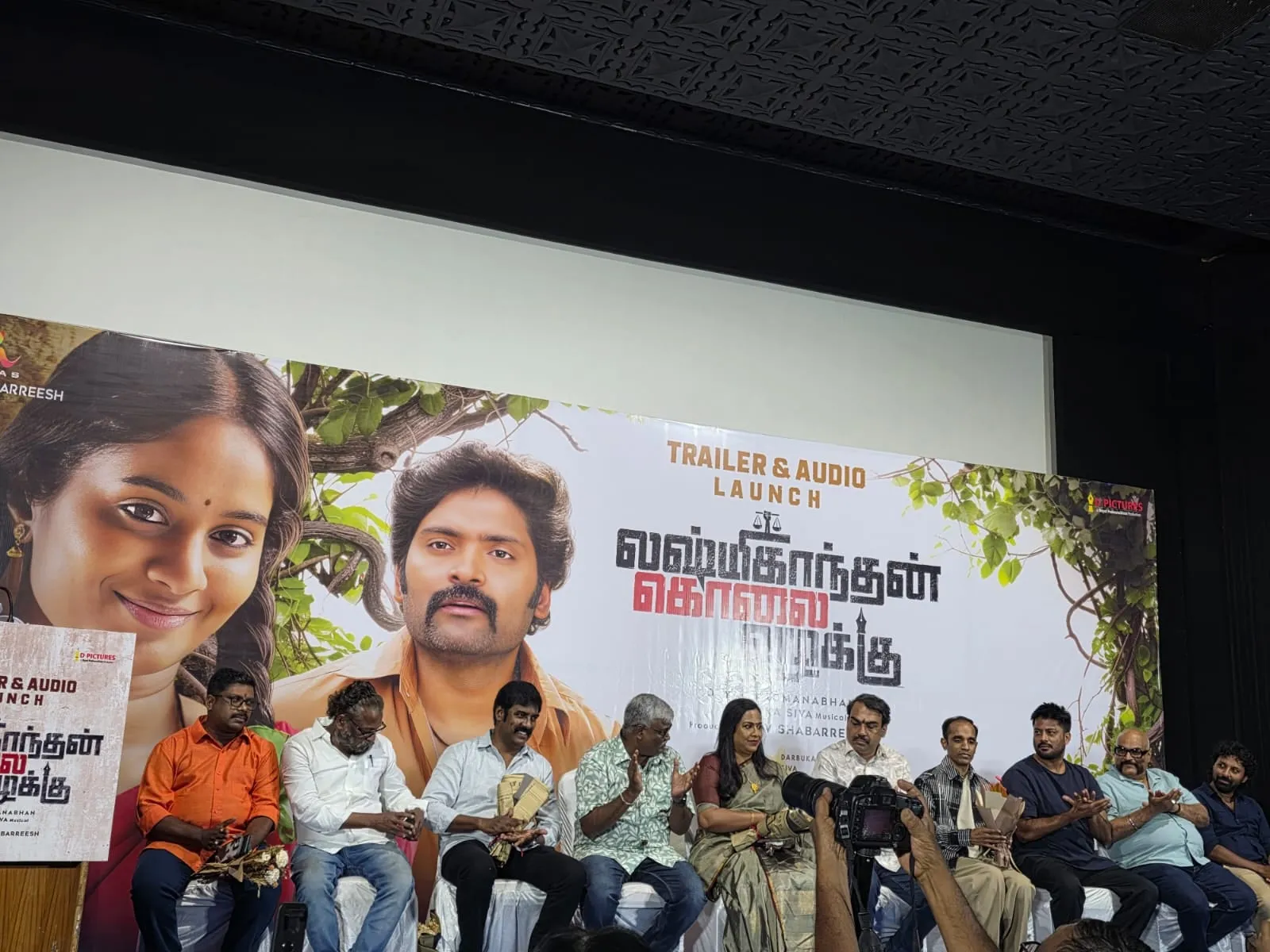
For twenty-seven years, Rangaraj Pandey sat in the press rows with a paper and pen, watching everyone else be the story. At the Lakshmikanthan Kolai Vazhakku audio launch in Chennai, he said he had deliberately taken the last seat in the corner so the cameras could crop him out without much trouble. Darbuka Siva walked over and moved him to the centre instead, and there he stayed all evening. In a quieter way, he is at the centre of the film too.
Pandey plays a jailer, the instrument of a government, locked in a small cell with a man on death row. Much of the film, by every account on stage, is the conversation between those two. Vetri is the condemned prisoner; Pandey is the state that has to decide what to do with him. It is his second substantial screen role after a long run in the press box, and the people who built the film could not stop talking about him.
The odd thing, repeated by nearly everyone who spoke, is that a room largely made up of Pandey’s political opposites had gathered to honour him. Writer Kavitha Bharathi, who put it bluntly that he stands on the exact opposite side of the aisle, admitted he had hesitated even to go along and narrate the story to Pandey. What disarmed him was the lack of ego on set. Pandey never carried his public persona into the room, never kept a single person waiting, never took a phone call in front of the camera, and pulled up a chair next to the crew rather than retreat to a caravan. Instead of pronouncing on a scene, he kept asking, “If I do it like this, will it be right?” There is a line in the film, “one nation, one law,” that Pandey has to deliver; he turned to the writers, half-laughing, and asked whether they had written it specially to make him say it.
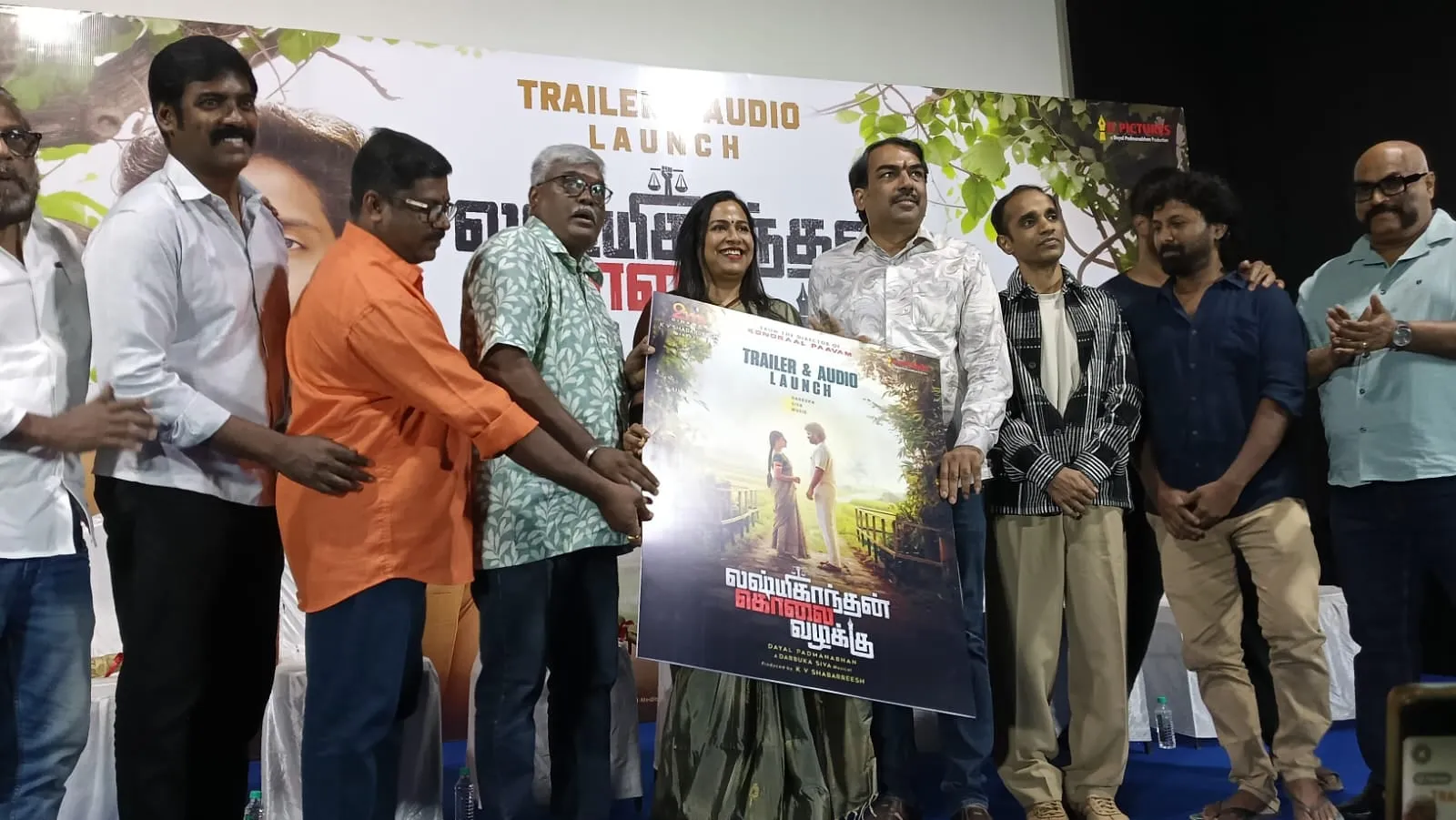
Pandey’s own turn at the microphone was part nostalgia, part deflection. He remembered the longhand days, jotting keywords on paper while senior reporters typed away, the early jealousies when television arrived and politicians called the channels in first, and the present, where mobile phones crowd the front and there are separate screenings for press and for influencers. He had joked on stage that the media should go easy on him, because if he became Chief Minister tomorrow he would look after them, and a reporter called him on it. He waved it off: “Just so you get a thumbnail, nothing else.” Kalaignar, he said, knew his own height when people asked why he never became Prime Minister, “and when a man like that knew his limits, we are just insects.”
His real subject was that ideology need not cost you a friendship. He quoted the director Ameer, who once said that whatever stance he takes, Pandey will take the opposite one, and remains a younger brother all the same. Half the murders in the country, Pandey noted, happen between brothers or between husband and wife, so what is the point of treating a difference of opinion as enmity. The public decides elections regardless of who argues their ideology louder. As for being called an actor, he was not having it: when they wrapped two days ahead of schedule, he handed back two lakh rupees of his fee, and grinned that the day he becomes a real actor is the day he starts asking where the Paris light is and demanding apple juice.
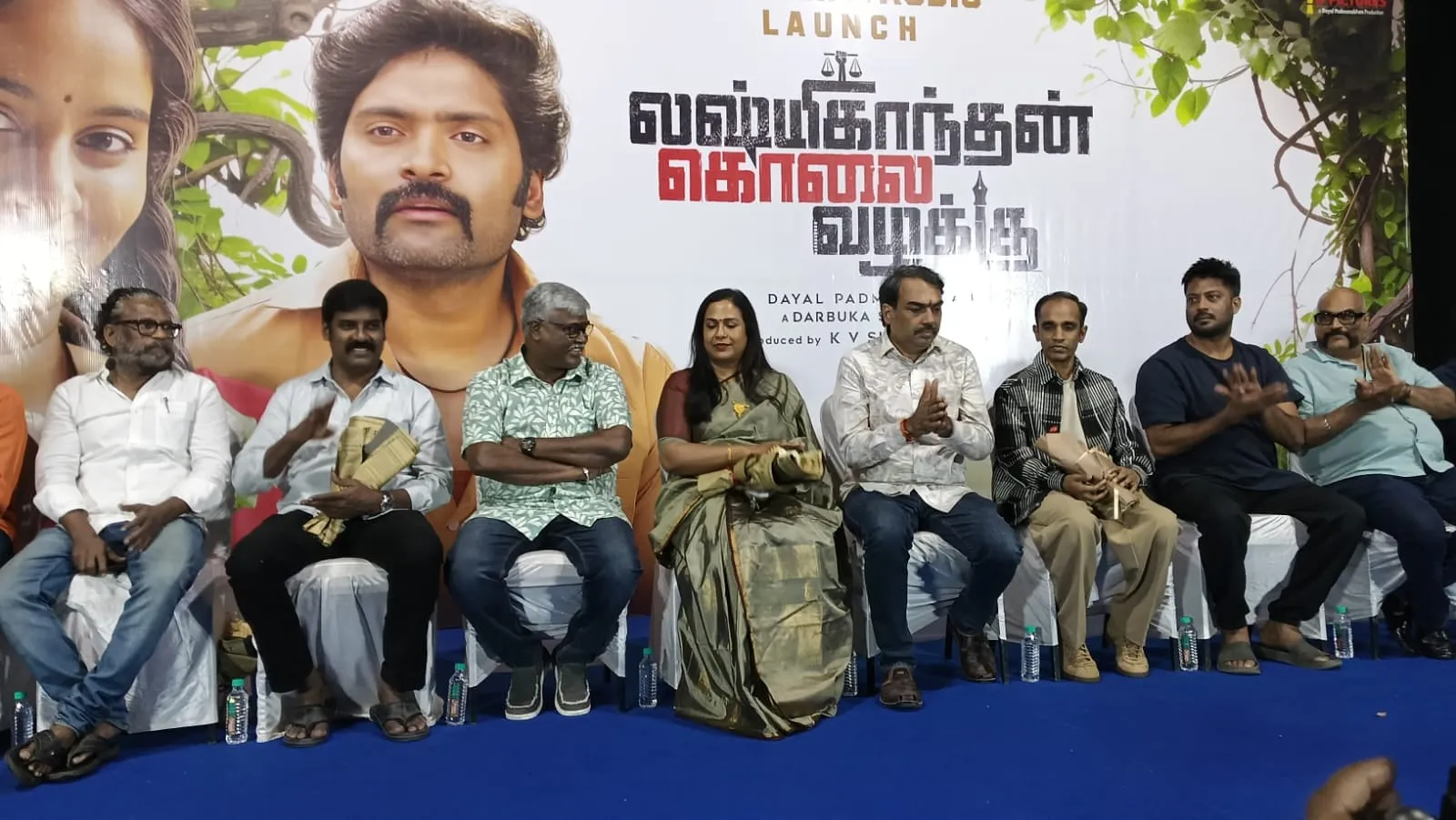
The argument underneath all of this belongs to the director. Dayal Padmanabhan, a State award winner with a long body of work in Kannada, said this is his 22nd film and his third in Tamil after the well-received Kondraal Paavam, and that he made it believing a person who turns to crime deserves any number of chances to come back. To explain why, he told two stories against himself. As a young central-government employee in Bangalore, he had saved for nearly twenty years to buy his first Casio keyboard; a local rowdy walked into his room, said he had no money to drink, and carried it off. For six months Dayal quietly plotted to kill him, until a Sri Lankan refugee friend talked him out of it. Years later, robbed of his family’s jewellery on a train and pushed into debt, he found himself eyeing the gold on a sleeping couple in the next seat, and stopped only when it struck him that they would weep exactly as he had on the night he was robbed.
A man becomes a criminal because of his circumstances, Dayal said, and society’s job is to keep holding the door open for him to return. He compared it to raising a child: you might smack a child ten times for the same mistake, but you very rarely throw them out of the house. The film, he was careful to add, is not a lecture; the opposing view is written into it too, and there is enough event and feeling in it to carry an audience from a jail cell back to a village.
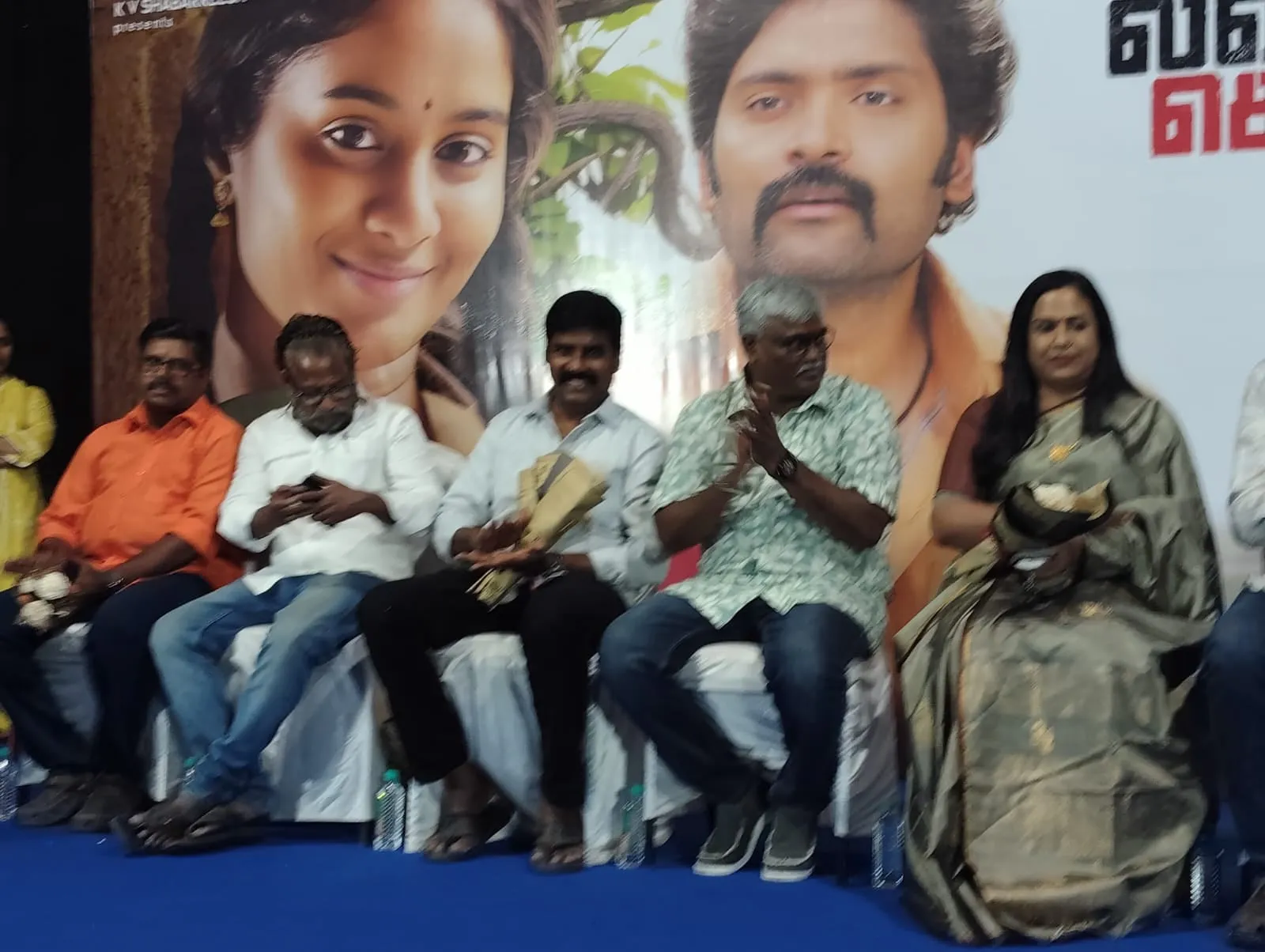
The music gave the evening its other through-line. Darbuka Siva has set verses by Bharathiyar and Bharathidasan to song, and Kavitha Bharathi used the moment to point out the quiet politics of one poet being feted everywhere while the other is gently forgotten, asking that the credit read “Pavendhar Bharathidasan.” Pandey, meeting Darbuka for the first time, said that bringing Bharathiyar’s lines to cinematic life is not easy, and that no one had done it as beautifully since Ilaiyaraaja.
Lakshmikanthan Kolai Vazhakku, set in 1972 and built around a death-row prisoner’s last night, now reaches theatres on July 10, produced by K.V. Shabarreesh under the 2M Cinemas and D Pictures banners. There was one last request from the director that doubled as the most honest line of the night. Rather than hand out a press note for everyone to reprint, he asked the room to write what they genuinely felt, because the last time, his team had read back the coverage and reported that every outlet had filed more or less the same piece. This is one attempt to take him up on it.
More onLakshmikanthan Kolai Vazhakku,Rangaraj Pandey,Dayal Padmanabhan,Darbuka Siva